Tradition and maintenance are the two essential ingredients in a circuit to host Formula 1 – and ensure good shows. Interlagos has both. And the last few races have shown that the circuit is ready for the future.
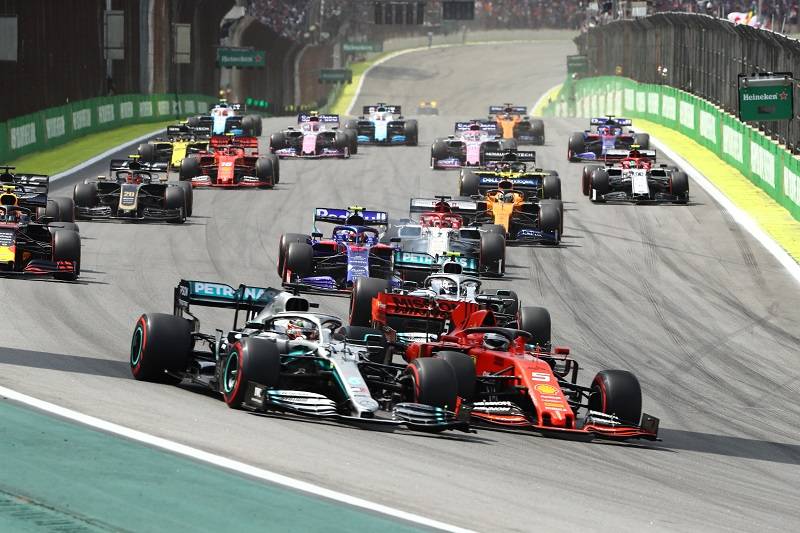
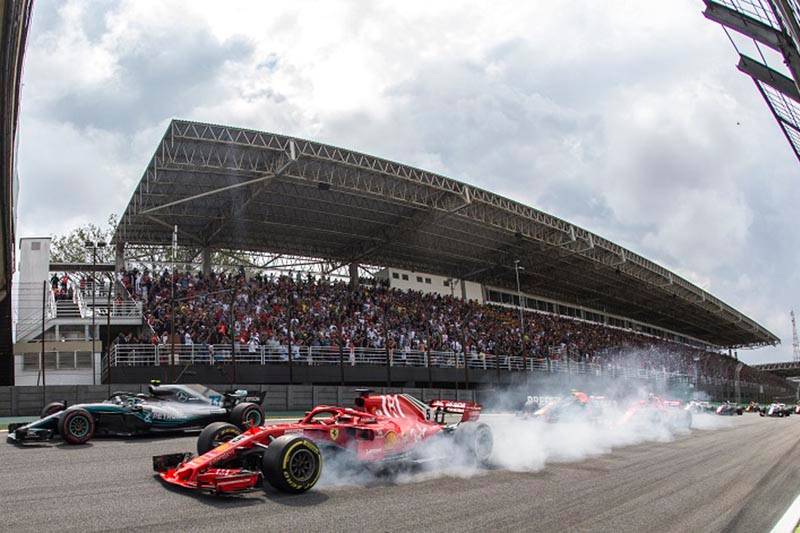
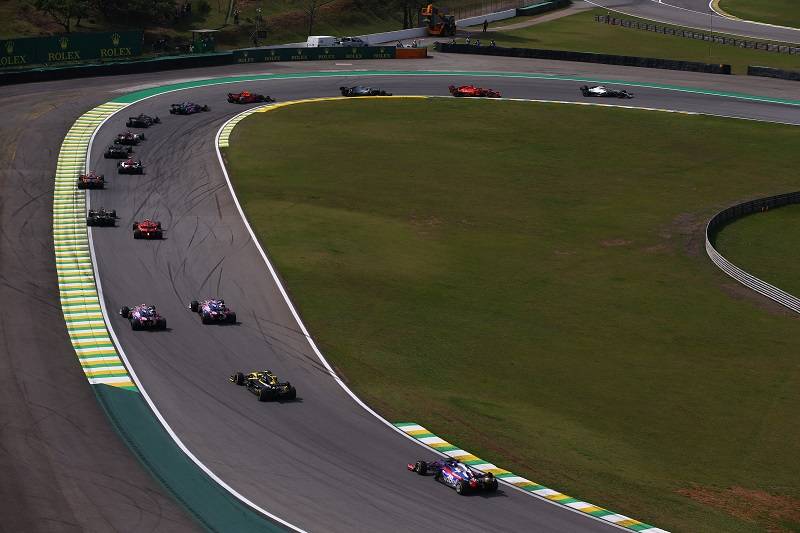
The São Paulo F1 Grand Prix opened a new cycle for the category in Brazil in 2021: it was one of the most exciting races of all time, lifting the crowd from the stands with Lewis Hamilton’s victory on an afternoon worthy of Ayrton Senna. And on Saturday, for the first time, the circuit hosted the sprint race, a short 24-lap race, adding value to the whole weekend.
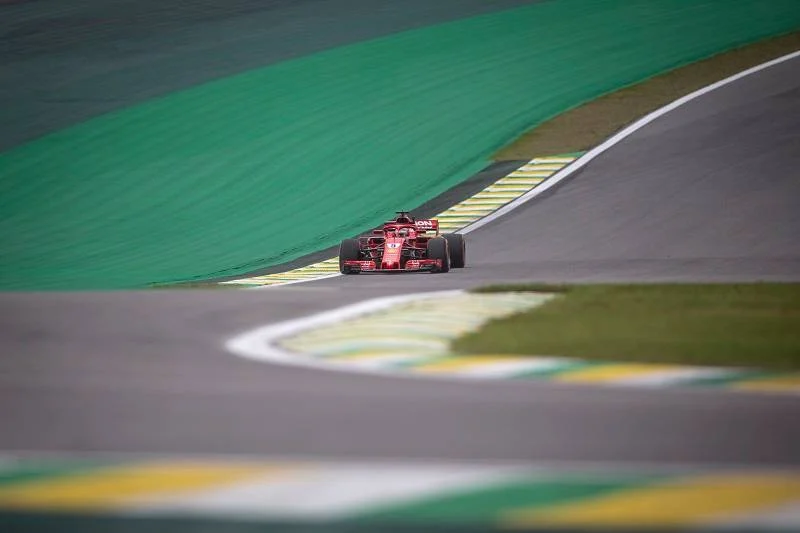
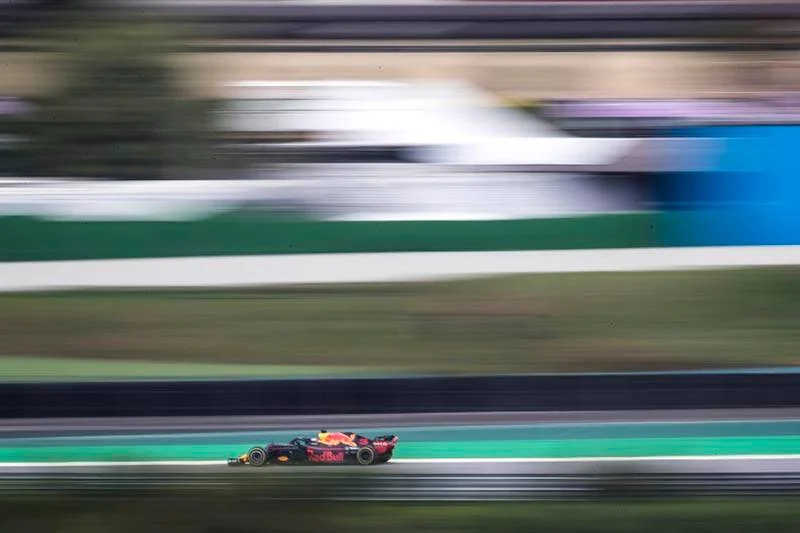
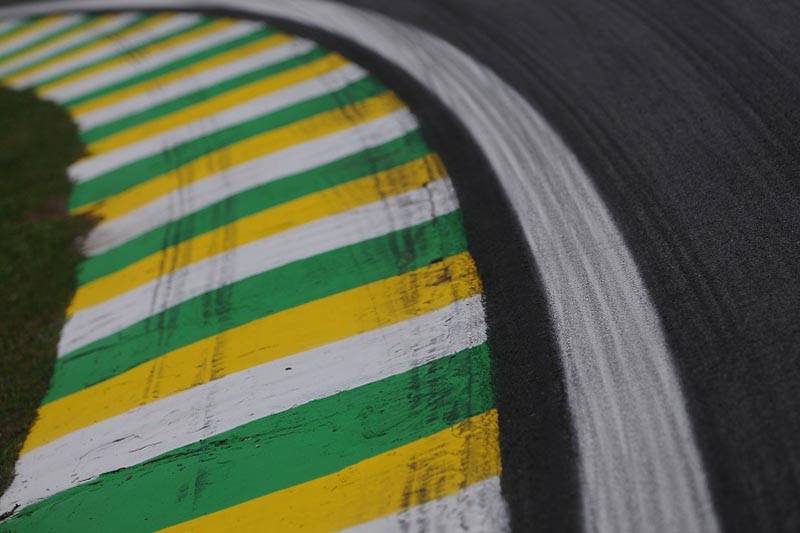
In 2018, Lewis Hamilton’s victory – Max Verstappen would have won if he hadn’t been pulled off the track by Esteban Ocon – saw Interlagos drop the historic marks of qualifying – Lewis Hamilton took pole with 1min07s.281 – and the race where his teammate, Valtteri Bottas, did the best lap in 1min10s540. The track, with its new zebras, asphalt in ideal condition, and safety details, offered all the conditions for the Mercedes drivers to set new marks.
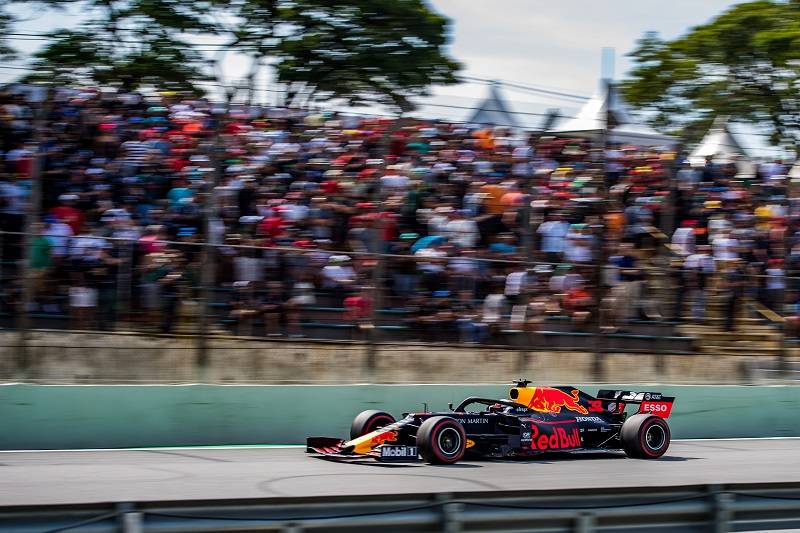
In 2019, Max Verstappen gave it his all and used the entire track, using an inventive layout, for a consecrated victory.
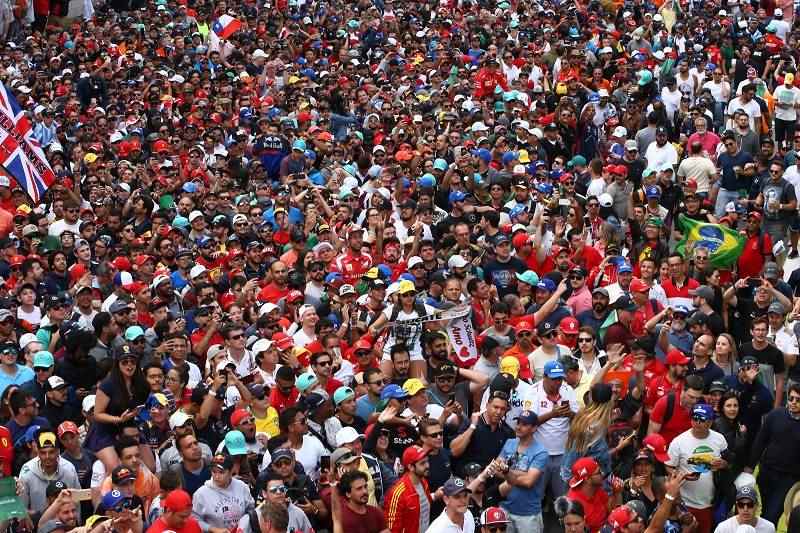
The 2016 Formula 1 race, which marked Lewis Hamilton’s first victory at Interlagos, was a great test for the circuit. The heavy and intermittent rain meant that the race had to be interrupted, the race was long and difficult and the public did not budge. The asphalt did its job by draining the water and allowing the cars to complete the 71 laps. Despite the volume of water, the facilities were not affected.
Interlagos is Interlagos. And anyone who wins on this track knows that it’s an important mark on their resume.
The track’s international fame really began in the 70s. After an essential renovation to make the 7,960-meter track suitable for single-seater racing, Interlagos saw the emergence of Brazil’s first F1 world champion, Emerson Fittipaldi. In 1970, Emerson won the Formula Ford International Championship. In 71, the same Emerson won a Formula 2 race. Interlagos was then ready to host a non-championship F1 race in 72, won by Carlos Reutemann. But Emerson bounced back the following year, winning the Brazilian Grand Prix, which was already earning points for the F1 World Championship. Emerson would win again the following year, 1974, in heavy rain, while José Carlos Pace won in 1975, the only victory of his career.
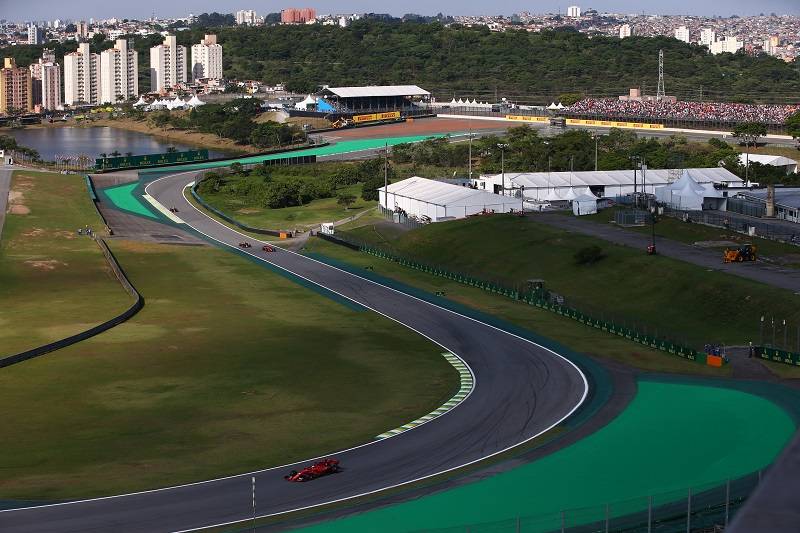
Then, in the 90s, the track was renovated for the return of F1 to São Paulo. The circuit was reduced from 7.9 kilometers to 4.3 kilometers, in line with the requirements of the category. The track got shorter, but the degree of difficulty remained the same. And the cars started to run together for longer, making the races more interesting for the public.
From the 70s to the present day, Interlagos has become the sporting stage for Brazil’s biggest international sporting event, hosting the world’s Formula 1 elite every year, from Jackie Stewart to Michael Schumacher, from Nigel Mansell to Nelson Piquet, from Niki Lauda to Ayrton Senna.
The Formula 1 races brought illustrious visitors such as artists Gene Hackman, Ugo Tognazzi, Sydne Rome, Gael Garcia Bernal, Mick Jagger, and others. José Carlos Pace was Al Pacino’s stunt double at Interlagos for the track scenes in Sydney Pollack’s film ‘Bobby Deerfield’, at the 1976 Formula 1 Brazilian Grand Prix. In 1979, it was the Beatle George Harrison who pontificated at the São Paulo race track on his visit to Brazil.
At the flags, Pelé, Rebeca Andrade, and Gisele Bündchen were a strong presence, surrounded by fans from the moment they arrived at Interlagos.
In the fanciful – or not so much – stories, old drivers and team bosses claim that engines were swapped during long races and, so that no one would find out, the units that had already been used would rest at the bottom of the lake. There is even the story of a ghost of a woman dressed in white who used to haunt the drivers at the Junction during night races.
Can a race track from the 40s be up to date? Of course. As long as it’s up to date and respects tradition.